
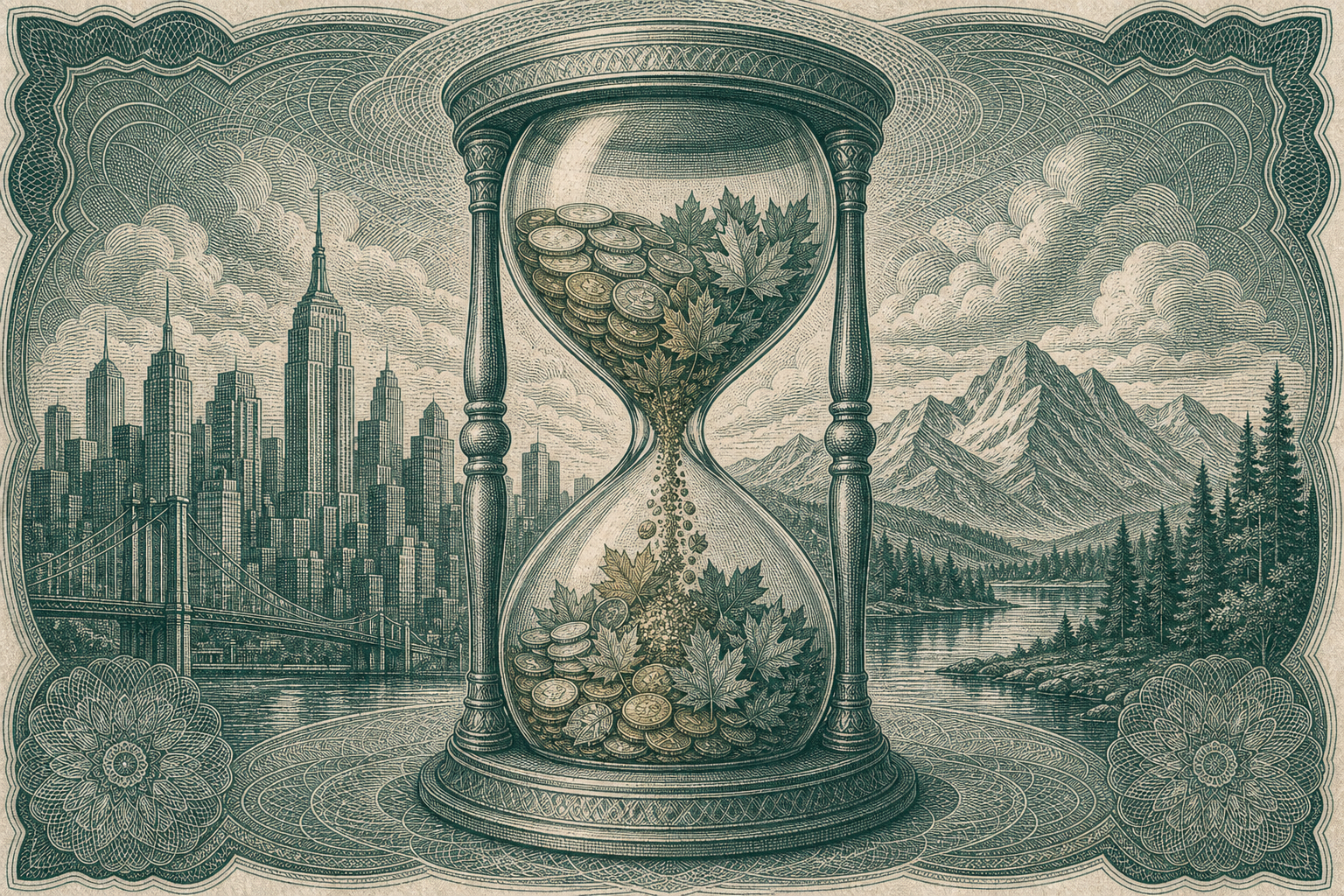
The Federal Reserve's recent decision to raise interest rates by 25 basis points to a target range of 3.75%-4.00% is more than a mere adjustment; it's a signal that the central bank is serious about tackling inflation. This hike, which comes after five consecutive holds at 3.50%-3.75%, marks a pivotal moment in monetary policy, with implications rippling through both US and Canadian markets.
As Chair Kevin Warsh noted, inflation remains stubbornly high, with the Personal Consumption Expenditures (PCE) index projected to be at 3.7% for 2026. The Fed's unanimous vote to hike rates indicates a commitment not just to stabilize prices, but also to signal to markets that further hikes are on the table. This decision could set the stage for significant shifts in investment strategies and market sectors.
Inflation and Future Projections
The Fed's rate hike is a direct response to persistent inflation, which has been a thorn in the side of the economic recovery. With PCE projected at 3.7%, the Fed is determined to rein in inflation through aggressive monetary policy. This hike is likely to affect consumer spending and borrowing costs, which in turn could lead to a slowdown in economic growth.
Market Sector Impacts
The implications of this rate hike extend beyond macroeconomic indicators. Growth stocks, which typically thrive in low-interest-rate environments, may face headwinds as borrowing costs rise. Conversely, dividend-paying stocks could become more attractive as investors seek income amidst tightening monetary conditions. Sectors such as utilities and consumer staples may see increased interest as safe havens, while technology and discretionary sectors could struggle under the weight of higher financing costs.
Canadian Markets and the Bank of Canada
The impact of the Fed's actions is not confined to the US. Canadian markets are likely to feel the effects, especially if the Bank of Canada (BoC) follows suit. Historically, Canadian monetary policy has been closely aligned with that of the Fed, and with inflation pressures also felt north of the border, a similar rate adjustment from the BoC could be on the horizon. Investors should brace for potential volatility as both central banks navigate this complex economic landscape.
Conclusion
In summary, the Federal Reserve's latest rate hike underscores its commitment to controlling inflation and suggests a willingness to continue tightening monetary policy if necessary. This decision will have far-reaching implications, influencing market dynamics in the US and Canada alike. Investors would be prudent to consider how these shifts may impact their portfolios in the coming months.
For more detailed insights, visit CNBC.